One photo, 6 camera angles: 6 ChatGPT prompts to re-shoot it
Drone, fisheye, telephoto, film, golden hour, night flash: upload a photo to ChatGPT and swap the angle and light. Same person, face, outfit and pose.
Watch the reel on InstagramComment #角度 to get this guide
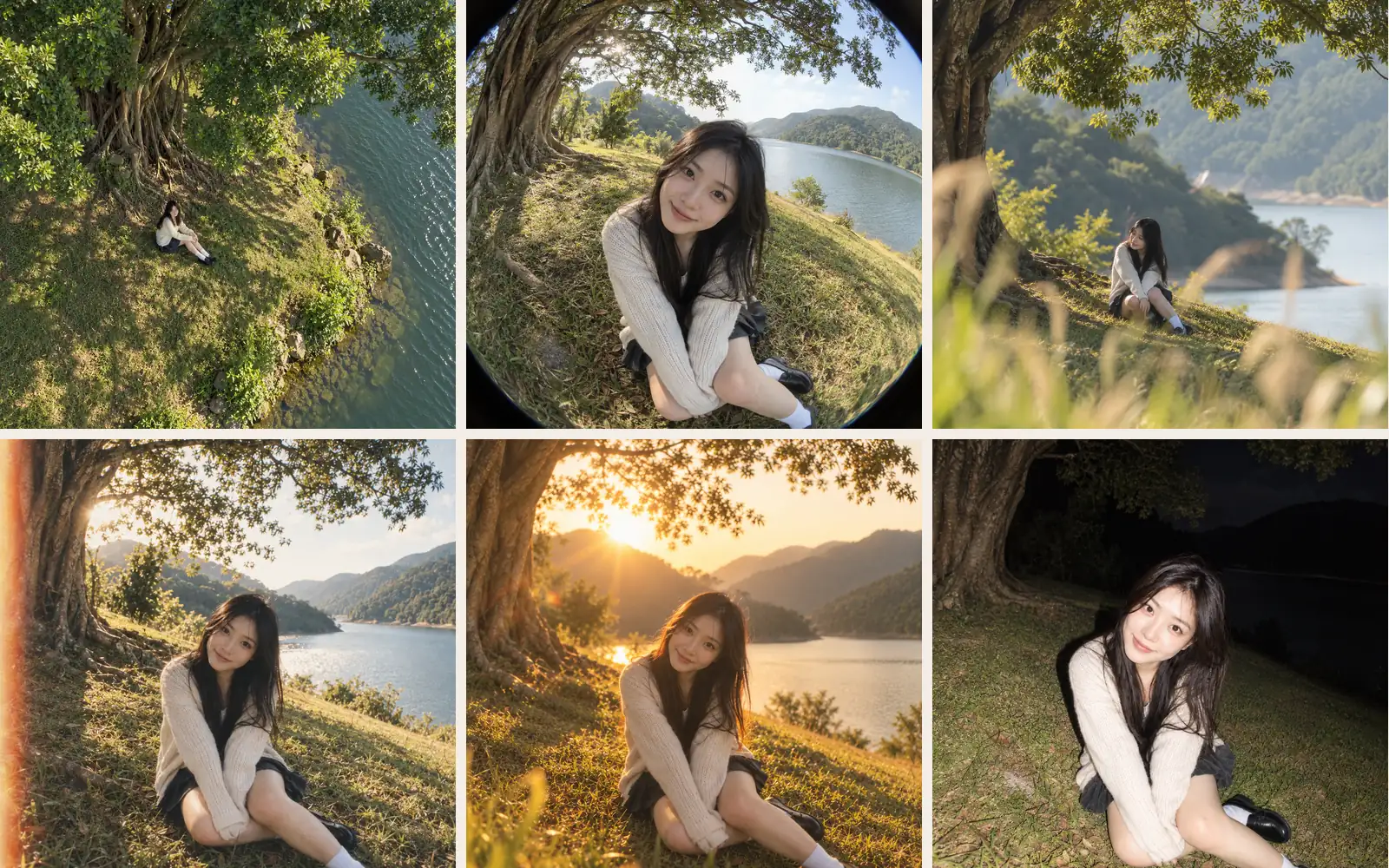
Re-shoot the same photo as a drone shot, a fisheye or a telephoto candid, and it looks like a professional photo shoot. This is the full version of the 6 ChatGPT prompts from the Reel, with why they are written this way and how to stop the person from changing.
01Get ready: one good original photo
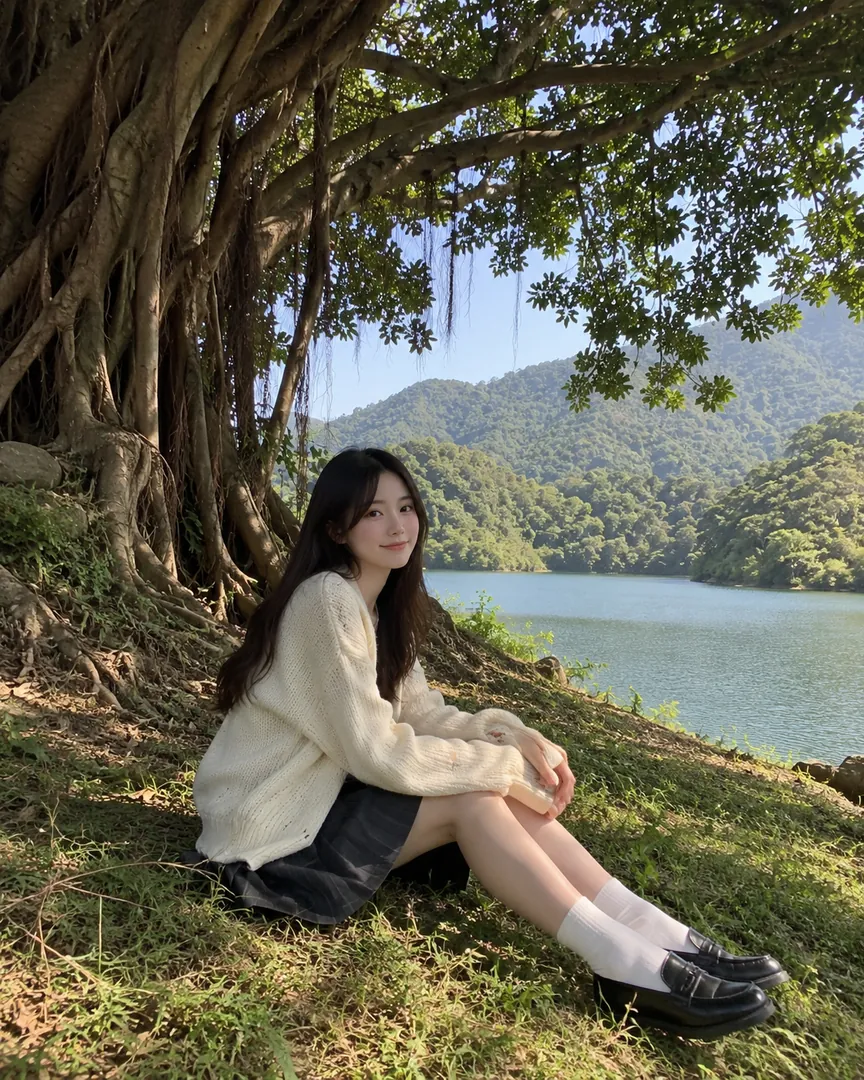
- A vertical photo with the person in the middle. Full body or half body both work.
- Natural light and a clear face. No sunglasses, and do not crop the face.
- Keep the background simple. It helps the AI keep the details.
- Open ChatGPT (the free plan can also make images, with a limit) and upload the photo.
02The base sentence
Start with the same English sentence every time and only change the ___ part. The fixed part tells the AI not to change the person, face, outfit, pose or place.
Re-shoot this photo as ___. Keep the same person, face, outfit, pose and place. Photorealistic, 4:5, no text.
036 angles to fill in the ___
a top-down drone shot from 15m above
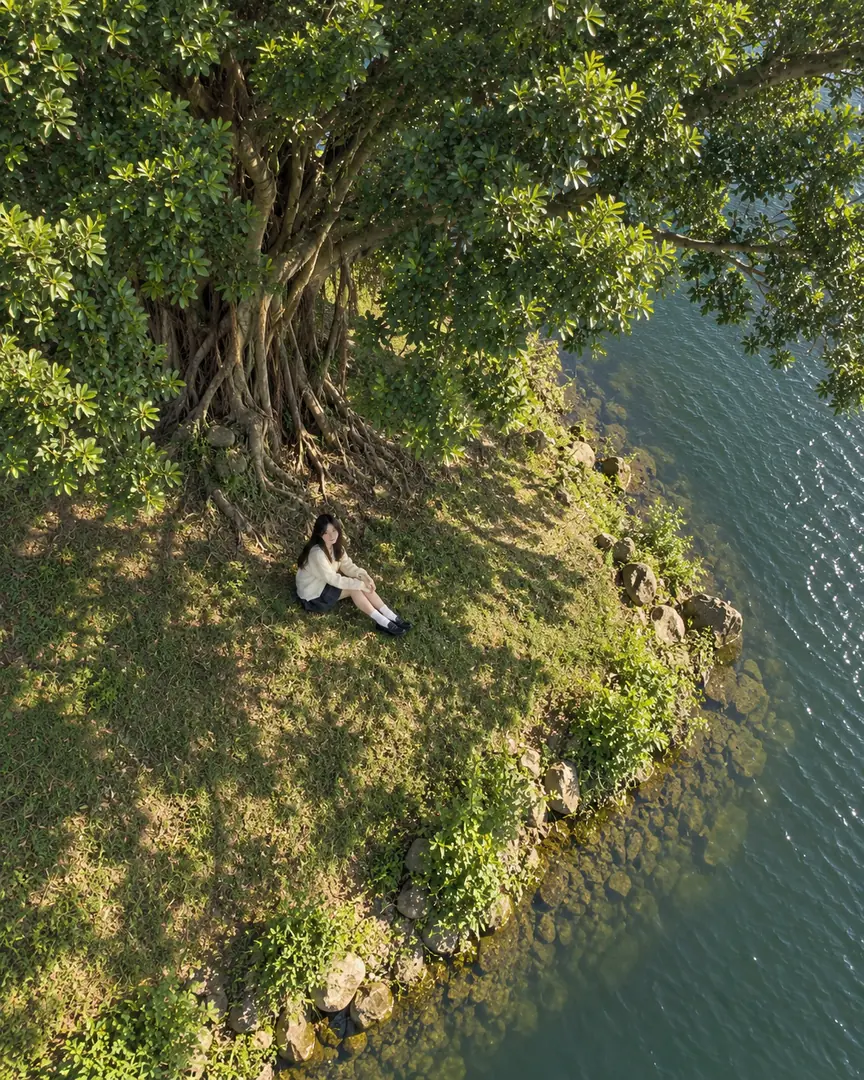
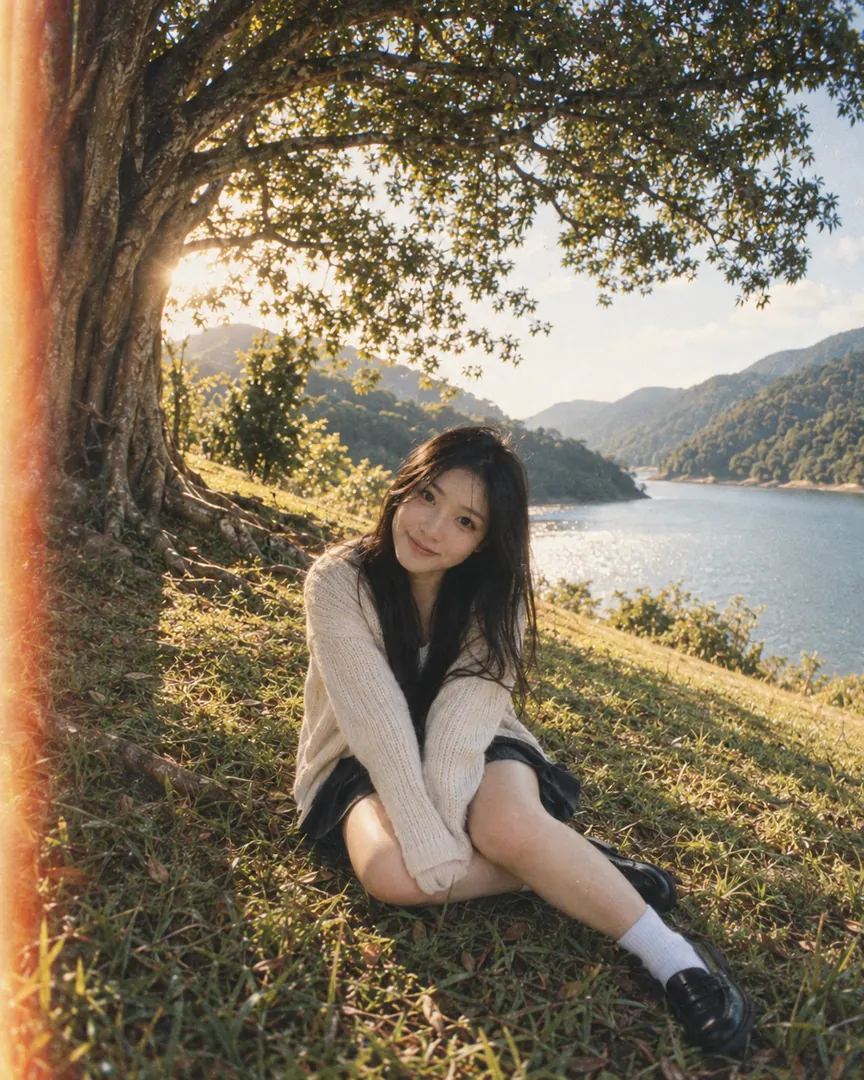
a 10mm fisheye shot close to the face, circular frame
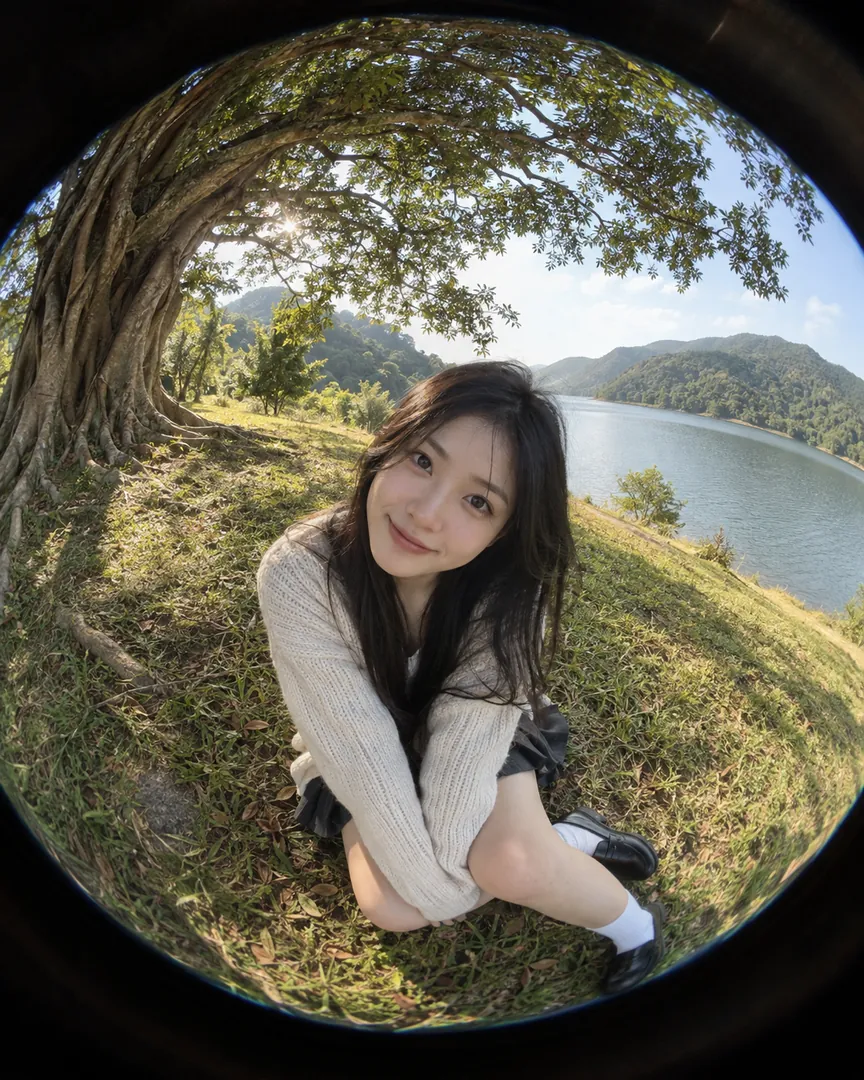
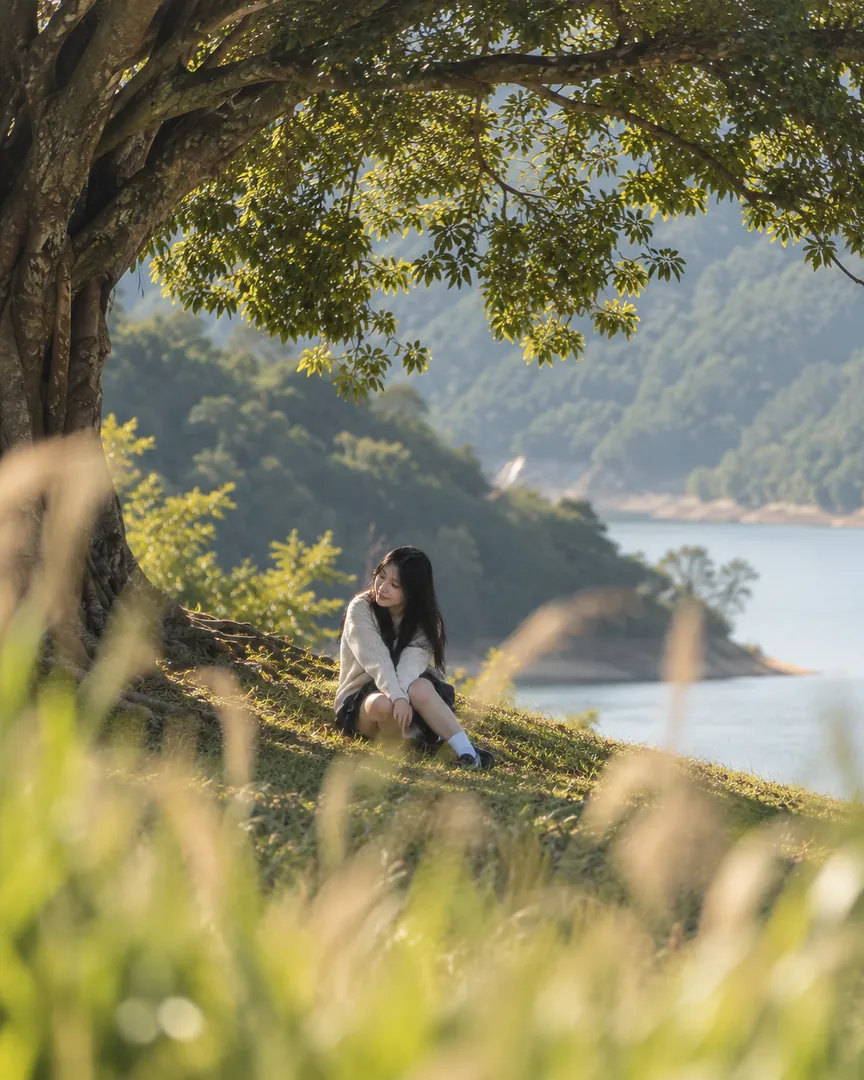
a candid 200mm telephoto shot through blurred grass
35mm Kodak Portra 400 film, grain, light leak
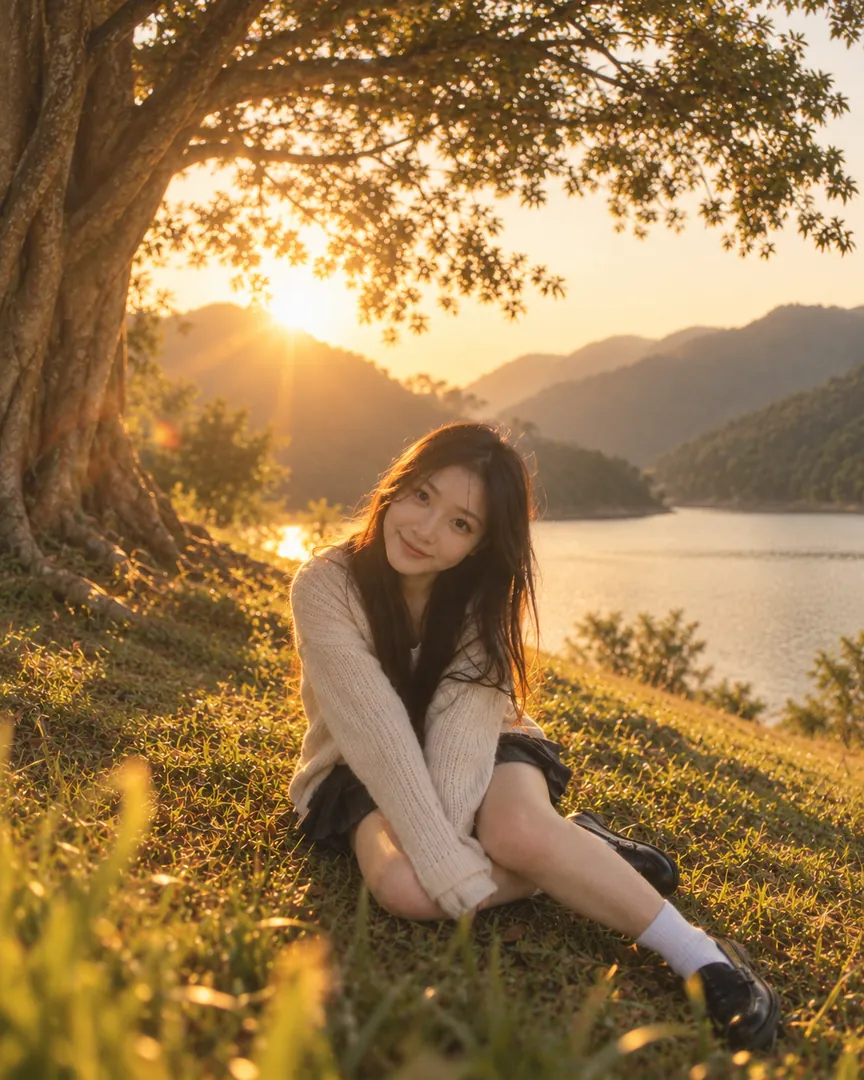
golden hour, sun behind the subject, rim light in the hair
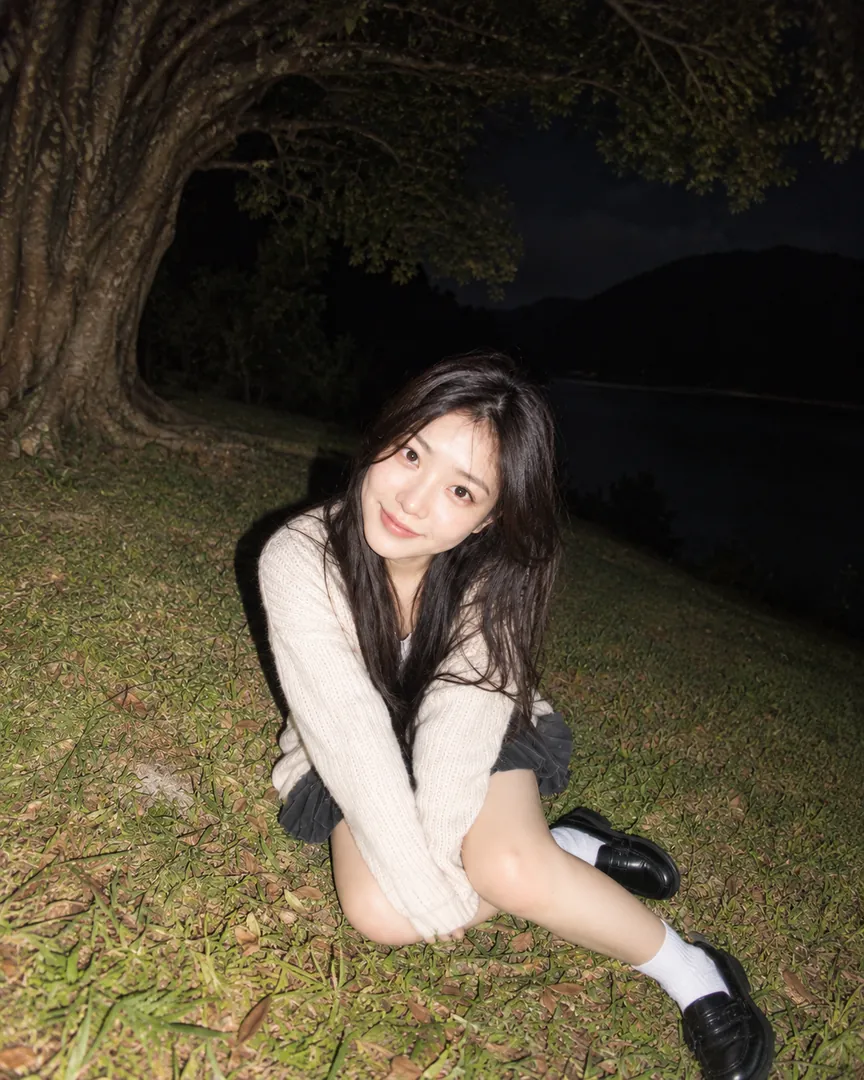
a night shot with direct on-camera flash
For example, the full prompt for number 3 is: Re-shoot this photo as a candid 200mm telephoto shot through blurred grass. Keep the same person, face, outfit, pose and place. Photorealistic, 4:5, no text.
04Why it is written this way
- Photographer language (focal length, camera, light position) works better than adjectives. "200mm" is far more precise than "shot from far away".
- "Keep the same person, face, outfit, pose and place" is the most important part. Without it, the person changes.
- "4:5" is the Instagram post ratio. "no text" stops the AI from adding its own words.
- Each prompt changes only one thing: the angle, the lens or the light. Change too much at once and the original features drift.
05Watch out
- If you don't like the result, just say: "The face doesn't match. Try again, the face must be the same as the original."
- Fingers, text and logos are where AI makes the most mistakes. Zoom in and check.
- Read OpenAI's terms of use before any commercial use. It works well for pitch mock-ups and social post references.